rade Level
8th Grade (Digital Literacy / Social Studies / Financial Literacy)
Time
1 class period (45–60 minutes)
Learning Objectives (Student-Friendly)
By the end of the lesson, students will be able to:
- Explain what a financial scam is
- Identify common scam types, including pig butchering and crypto scams
- Recognize red flags scammers use
- Apply clear rules to avoid scams in real life
Key Vocabulary
- Scam – A dishonest plan to steal money or personal information
- Phishing – Fake messages pretending to be real companies
- Pig Butchering – A long-term scam where someone builds trust before stealing money
- Crypto Scam – A scam involving fake or misleading cryptocurrency investments
- Red Flags – Warning signs that something is dangerous or fake
Ask students:
“If someone promised you easy money with no risk, would you believe them?”
There is no such thing as easy money without risk or work. Anyone claiming otherwise is either lying or trying to steal from you.
Part 1: What Is a Financial Scam? (10 minutes)
Definition (plain language):
A financial scam is when someone lies or manipulates you to take your money, information, or access to your accounts.
Important Truth
Scams don’t target “stupid” people.
They target trust, emotion, and urgency.
cammers rely on:
- Fear (“Your account is locked!”)
- Excitement (“You won money!”)
- Love or friendship (“I care about you”)
- Pressure (“Act now or lose everything”)
Part 2: Common Types of Scams (15 minutes)
1. Pig Butchering Scams (Very Important)
What it is:
A long-term scam where someone slowly builds a relationship (friend, mentor, romantic interest) and later convinces the victim to invest money—often in crypto.
Why it works:
- It feels personal
- Trust is built over weeks or months
- Victims don’t think they’re being scammed
Reality:
Once money is sent, it is gone.
2. Crypto Scams
Common examples:
- Fake investment apps
- “Guaranteed” crypto profits
- Influencers promoting fake coins
Truth students must hear:
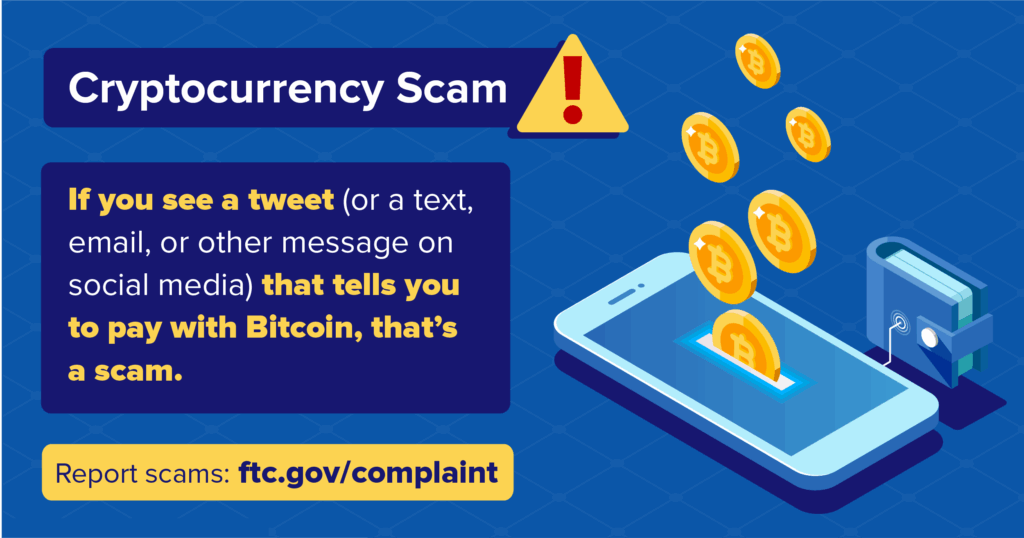
Crypto is not magic money. It is risky, unregulated, and heavily used by scammers.
If someone promises:
- Guaranteed profits
- No risk
- “Insider information”
→ It’s a scam. Period.
3. Phishing Scams
What it looks like:
- Emails or texts pretending to be banks, Amazon, Apple, or schools
- Links asking for passwords or personal info
Rule:
Real companies do not ask for passwords by text or email.
4. Fake Giveaways & Prizes
Examples:
- “You won an iPhone!”
- “Claim your free gift!”
If you didn’t enter → you didn’t win.
5. Impersonation Scams
Scammers pretend to be:
- Teachers
- Police
- Family members
- Government officials
They pressure victims to act quickly and secretly.
Part 4: How to Protect Yourself (10 minutes)
The 5 Golden Rules
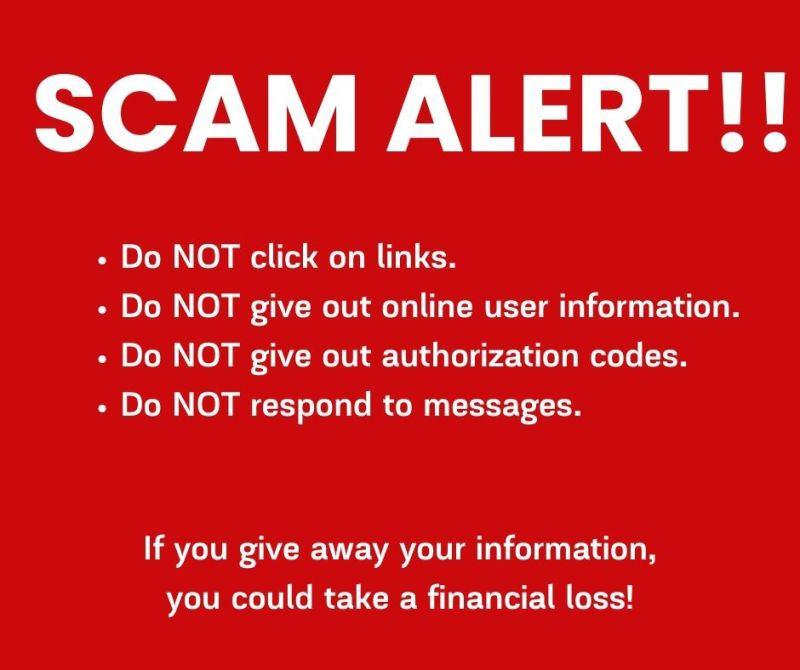
- Never send money or crypto to people you don’t know in real life
- Never share passwords or verification codes
- Never trust “guaranteed” investments
- Pause before clicking links
- Talk to a trusted adult before any financial decision
Add this line explicitly:
Scammers win when people are embarrassed to ask for help