How Credit Really Works: Borrowing, Interest, and the Cost of “Buy Now”
Grade: 8
Time: 45–60 minutes
Standards Alignment (generic): Financial literacy, consumer economics, decision-making
Learning Objectives (Student-Friendly)
By the end of this lesson, students will be able to:
- Explain what credit is and how it works
- Describe interest and minimum payments
- Calculate how much extra money interest can cost
- Identify smart vs. risky uses of credit
Key Vocabulary (Non-Negotiable)
- Credit – Borrowing money you must pay back
- Interest – Extra money paid for borrowing
- Principal – The original amount borrowed
- Minimum payment – The smallest amount you’re allowed to pay
- Credit score – A number that shows how risky you are to lenders
Hook (5 minutes)
Scenario on the board:
You want a new gaming console that costs $500.
You have two choices:
- Save for 5 months and buy it.
- Put it on a credit card today.
Ask students:
- Which option feels better right now?
- Which one costs more long-term?
Do not answer yet. Let discomfort sit.
Mini-Lesson: How Credit Works (10 minutes)
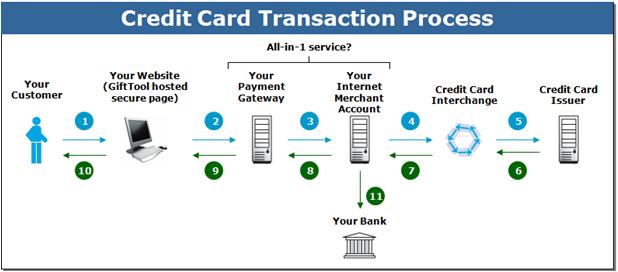


1. What Credit Is (Plain English)
Credit = using future money today.
The lender charges interest because they want profit and because you might not pay them back.
No mystery. No morality. Just math + risk.
2. Interest (Where People Get Burned)
If you borrow $500 at 20% interest, you don’t just pay back $500.
You pay:
- $500 (what you borrowed)
- + interest (the price of borrowing)
If you only make minimum payments, the interest keeps stacking.
3. Minimum Payments (The Trap)
Minimum payments:
- Feel small
- Take forever
- Cost the most
Credit companies love minimum payments.
They are designed to keep you paying interest as long as possible.
Guided Activity: The $500 Console (15 minutes)
Give students this table:
| Payment Choice | Monthly Payment | Time to Pay Off | Total Cost |
|---|---|---|---|
| Minimum Only | $15 | ~4 years | ~$720 |
| $50/month | $50 | ~11 months | ~$560 |
| Save First | $0 | 5 months | $500 |
Discussion Questions:
- Who gets richer in each scenario?
- Why do people still use credit if it costs more?
- When might credit actually make sense?
This is where thinking happens.
Reality Check: When Credit Is Useful vs. Dangerous (10 minutes)
Credit Can Be Useful When:
- You can pay it off quickly
- It helps you earn more money (education, reliable transportation)
- You already have a plan
Credit Is Dangerous When:
- You don’t understand the interest
- You only pay the minimum
- You use it for wants instead of needs
- You assume “future you” will fix it
Future you always pays the bill.
Exit Ticket (5 minutes)
Students answer one in complete sentences:
- One way credit can help someone
- One way credit can hurt someone
- One rule they would give a friend about using credit
Optional Extension (Homework or Next Day)
Have students:
- Design a “Credit Warning Label” like on cigarettes
- Or write a short scenario showing someone using credit wisely vs. poorly